





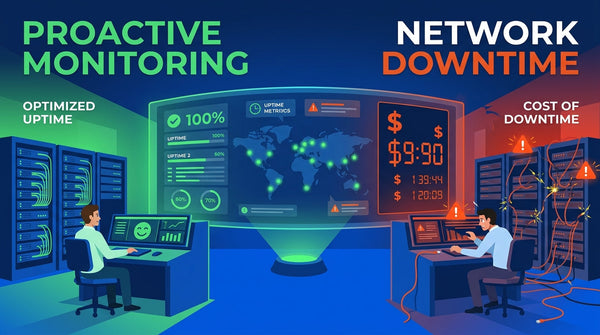
The True Cost of Network Downtime: Why Proactive Monitoring Pays for Itself
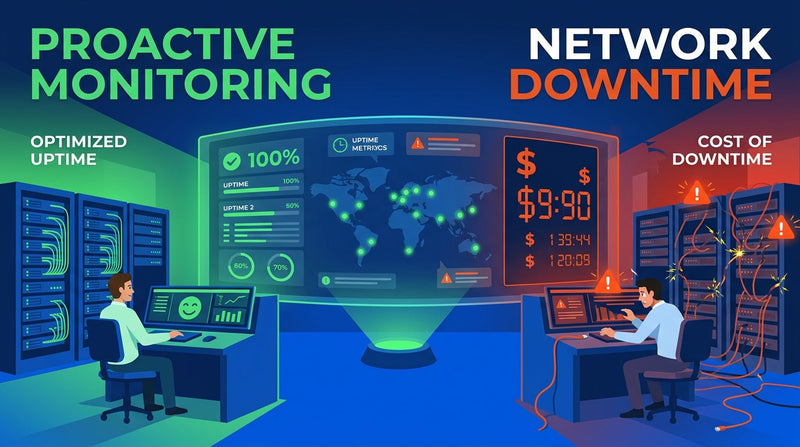
Unplanned network downtime costs mid-sized businesses up to $700,000 per year in lost revenue, productivity, and recovery expenses. Discover how proactive cloud-managed monitoring with Cisco Meraki turns unpredictable outages into preventable events.
Ready to buy Cisco Meraki?
Get a custom quote from our specialists in under 4 hours.
Every business depends on its network. Email, cloud applications, VoIP phones, point-of-sale systems, security cameras — when the network goes down, everything stops. Yet many organizations still treat their IT infrastructure reactively, waiting for something to break before taking action. The reality is that unplanned network downtime is one of the most expensive problems a business can face, and the costs go far beyond just lost productivity.
"According to industry research, the average cost of IT downtime ranges from $5,600 to over $9,000 per minute for mid-sized businesses — and that figure only accounts for direct productivity loss, not reputation damage or lost customers."
The Hidden Costs of Network Downtime
When most people think about downtime, they picture employees sitting idle, unable to access their files or email. But the true cost runs much deeper. Every minute your network is offline creates a cascading chain of consequences that can take days or weeks to fully recover from.
✓ Lost Revenue: For businesses that rely on internet connectivity for sales — whether e-commerce, cloud-based POS systems, or client-facing portals — every minute offline is money left on the table. A retail location that loses its payment processing for even an hour during peak business can forfeit thousands in sales that customers take elsewhere.
✓ Employee Productivity: With the average knowledge worker depending on cloud applications for nearly every task, a network outage doesn't just slow work down — it stops it entirely. Multiply the hourly cost of each affected employee by the duration of the outage, and the numbers add up fast.
✓ Reputation and Customer Trust: Clients and partners expect reliability. A business that experiences frequent connectivity issues or prolonged outages signals instability — and in competitive markets, that's all the reason a customer needs to look elsewhere.
✓ Recovery and Overtime Costs: Getting back online is only half the battle. Data reconciliation, missed deadlines, expedited shipping to make up for delayed orders, and overtime hours for IT staff all pile on top of the initial outage cost.
✓ Compliance and Legal Exposure: For healthcare, financial services, and other regulated industries, network outages that impact data availability or security monitoring can trigger compliance violations, fines, and legal liability.
Why Reactive IT Is a Losing Strategy
The traditional "break-fix" approach to IT management treats the network like a household appliance: use it until it breaks, then call someone to fix it. This model has three fundamental problems that make it increasingly dangerous for modern businesses.
First, modern networks are complex ecosystems. A single office might have dozens of access points, switches, firewalls, cameras, and IoT sensors — all interdependent. A firmware bug on one switch can cascade into a site-wide outage. Without proactive monitoring, these issues are invisible until they cause a failure.
Second, threats don't wait for business hours. Cyberattacks, hardware failures, and ISP outages happen at 2 AM on a Saturday just as easily as during a Tuesday morning meeting. Reactive IT means nobody notices until employees arrive Monday morning to find the network has been down — or compromised — for 48 hours.
Third, break-fix creates unpredictable costs. Emergency service calls, rush-ordered replacement hardware, and after-hours labor rates turn every incident into a budget surprise. Businesses end up spending more on reactive firefighting than they would on a managed, proactive approach.
How Proactive Monitoring Changes the Equation
Cloud-managed networking platforms like the Cisco Meraki Dashboard fundamentally change how businesses approach network reliability. Instead of waiting for problems to surface, proactive monitoring provides continuous, real-time visibility into every device, connection, and user on the network.
Here's what proactive monitoring delivers:
✓ Real-Time Alerts: The Meraki Dashboard monitors the health of every connected device — from wireless access points and switches to security appliances and smart cameras. When a device goes offline, experiences unusual traffic patterns, or approaches a performance threshold, IT is notified instantly via email, SMS, or webhook — not hours later when someone complains.
✓ Predictive Issue Detection: Modern cloud-managed networks don't just report current status — they identify trends. Rising error rates on a switch port, gradually degrading Wi-Fi signal quality, or a security appliance approaching its throughput limit are all early warning signs that something needs attention before it becomes an outage.
✓ Automated Remediation: Many common issues can be resolved without human intervention. Auto-channel optimization on access points prevents interference-related slowdowns. Automatic failover to cellular gateways keeps sites online when primary ISP connections drop. Policy-based automation quarantines compromised devices before they spread threats across the network.
✓ Remote Troubleshooting: When issues do require human attention, cloud management means they can be diagnosed and often resolved from anywhere — no truck roll required. An IT administrator can reboot a remote switch, adjust a firewall rule, or push a firmware update from their phone at 6 AM, resolving the issue before the first employee arrives.
Building a Downtime-Resistant Network
Proactive monitoring is the foundation, but true network resilience requires a layered approach. Businesses serious about minimizing downtime should consider these strategies:
✓ Redundant Internet Connections: A single ISP connection is a single point of failure. Pairing a primary fiber connection with a 5G cellular gateway as automatic failover ensures that an ISP outage doesn't become a business outage. Meraki security appliances handle this failover seamlessly with built-in dual-WAN and cellular support.
✓ Centralized Cloud Management: Managing network devices through a unified cloud dashboard eliminates the configuration drift and blind spots that plague networks managed through individual device consoles. Every change is logged, every device is visible, and firmware updates can be scheduled network-wide with a few clicks.
✓ Environmental Monitoring: Network equipment doesn't just fail randomly — overheating server rooms, water leaks, and humidity fluctuations are common culprits. Meraki environmental sensors monitor temperature, humidity, water presence, and air quality, alerting IT to physical conditions that could damage equipment before they cause an outage.
✓ Regular Health Assessments: Even the best-monitored network benefits from periodic reviews. Quarterly network health assessments identify aging equipment, underperforming links, and security policy gaps that day-to-day monitoring might not flag as urgent.
The ROI of Proactive Network Management
The math is straightforward. If the average mid-sized business experiences 14 hours of unplanned downtime per year, and each hour costs between $10,000 and $50,000 in combined losses, the annual cost of downtime ranges from $140,000 to $700,000. A proactive, cloud-managed network infrastructure — including monitoring, redundancy, and managed support — typically costs a fraction of that.
Beyond the raw numbers, proactive management delivers benefits that don't show up on a balance sheet: peace of mind, predictable IT budgets, happier employees, and the confidence to pursue growth initiatives without worrying whether the network can keep up.
The question isn't whether your business can afford proactive network monitoring. It's whether you can afford not to have it.
Cloud networking has completely transformed how we manage IT across our 15 locations. What used to take weeks now happens in minutes.
Why Businesses Choose Cloud Networking
The Meraki platform delivers enterprise-grade networking with consumer-grade simplicity.
Single Dashboard
Monitor and manage your entire network — switches, access points, firewalls, cameras — from one intuitive cloud interface.
Learn More ›Built-In Security
Every device includes next-gen firewall, intrusion detection, and automatic firmware updates. Zero-trust security by default.
Learn More ›Scale Without Limits
Add new locations, floors, or remote workers instantly. Zero-touch provisioning means hardware self-configures from the cloud.
Learn More ›The Power of the Meraki Dashboard
At the heart of Cisco Meraki is an intuitive cloud dashboard that unifies wireless, switching, security, and IoT management into a single view. IT teams can manage their entire distributed infrastructure from anywhere.
- Real-time visibility into network health and client connectivity
- AI-powered analytics that predict issues before they impact users
- Automated firmware updates and security patching
- Role-based access control and audit logging

Deploying secure remote access for 500 employees took hours, not weeks. The cloud dashboard makes ongoing management effortless.
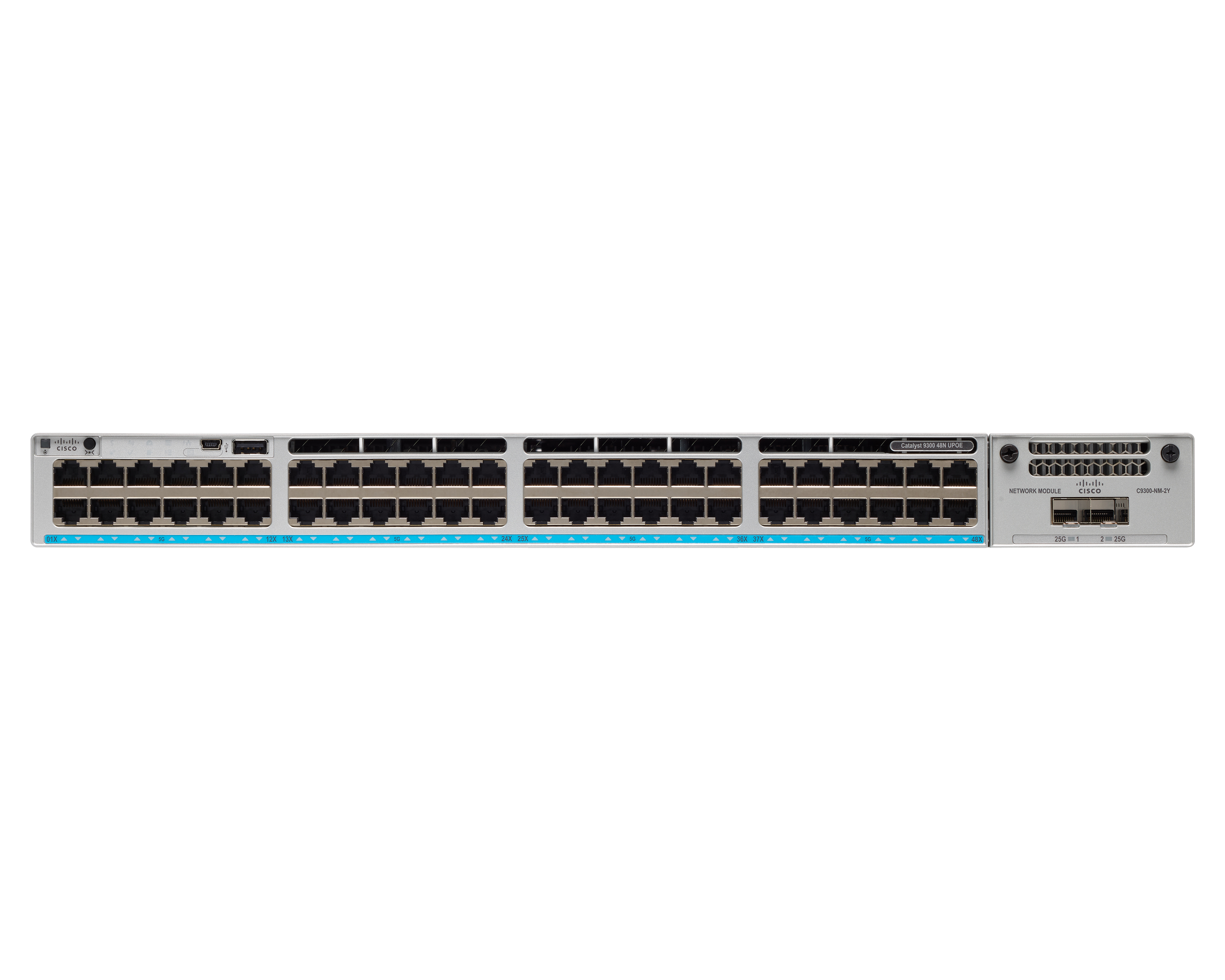
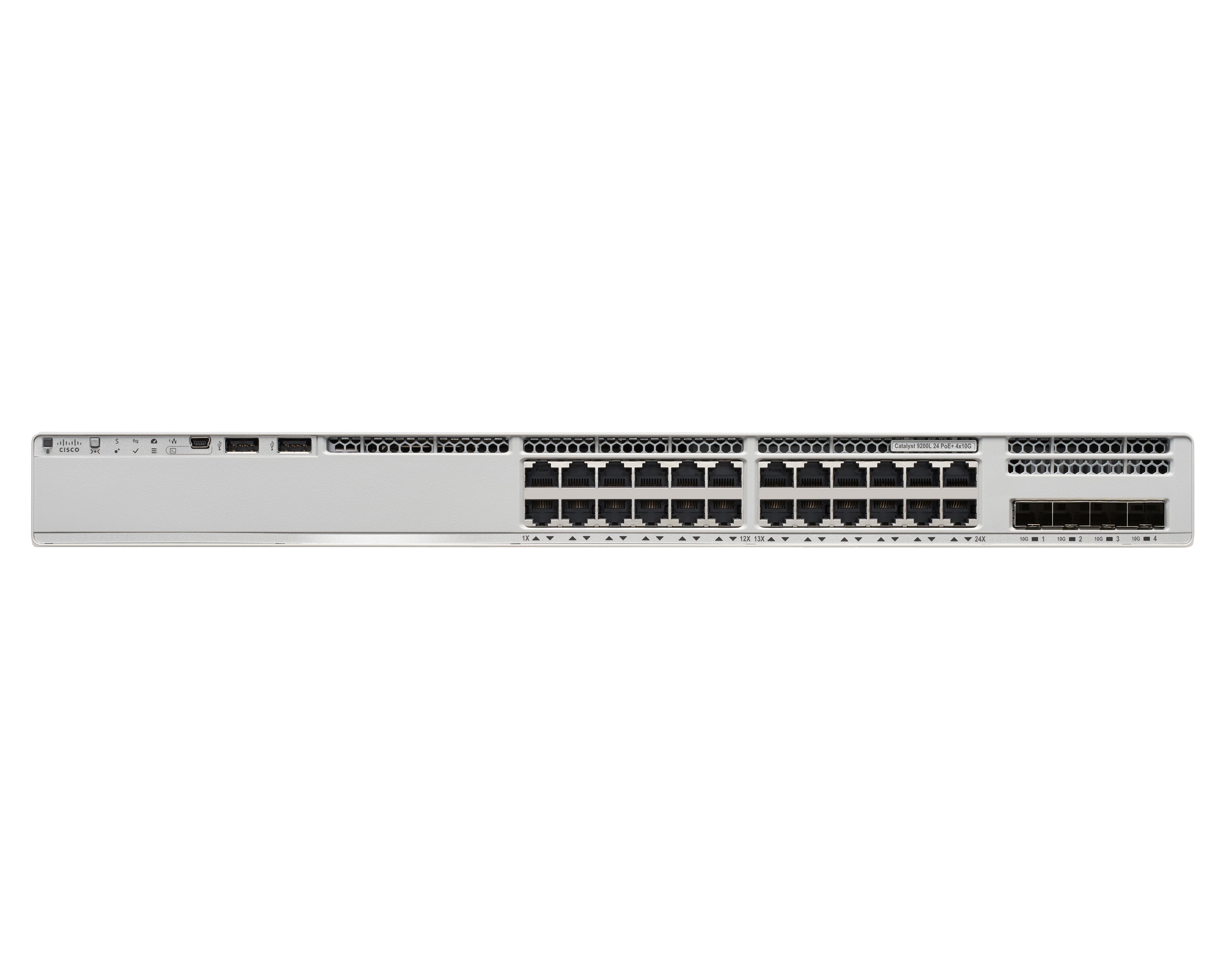
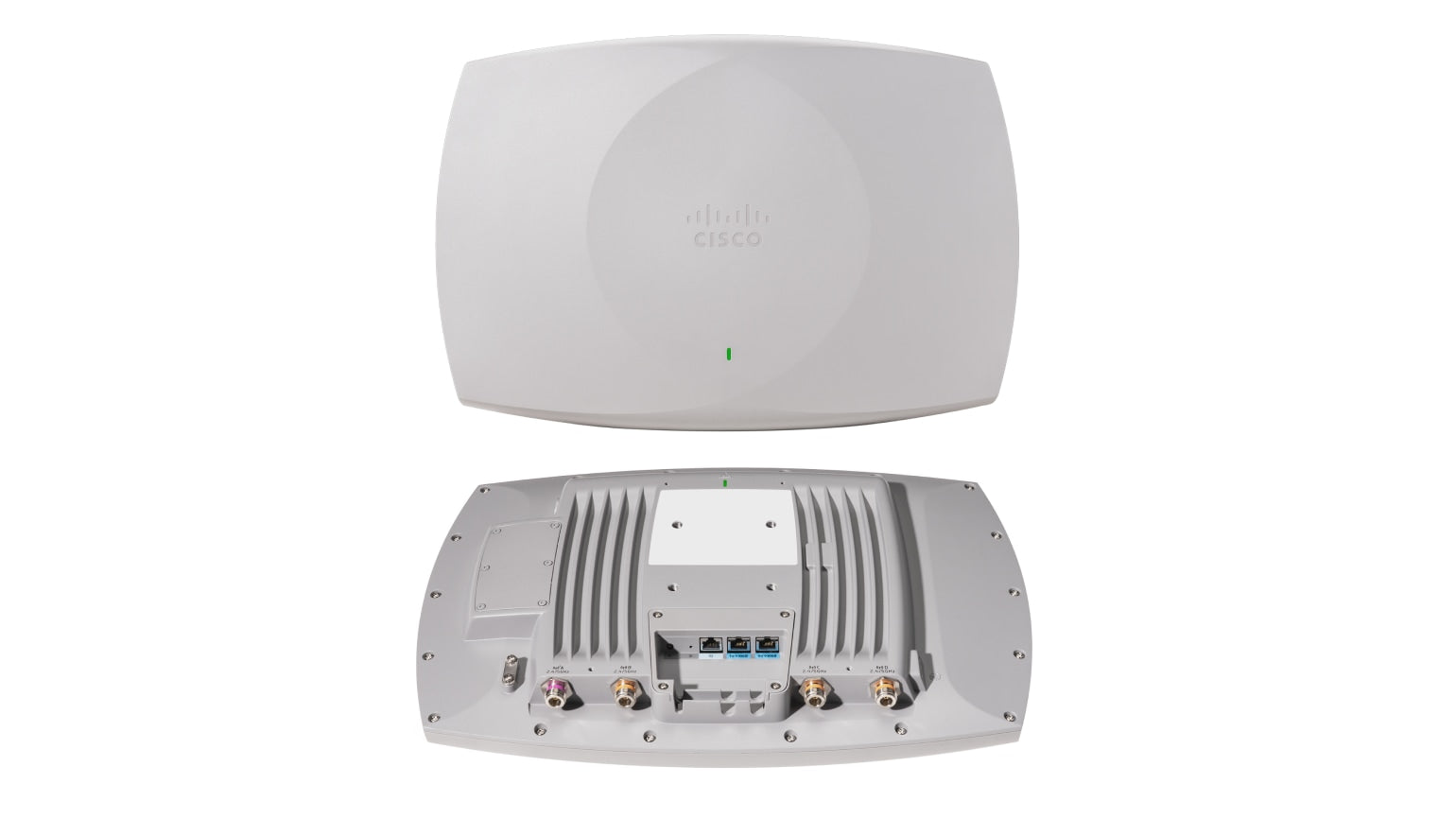
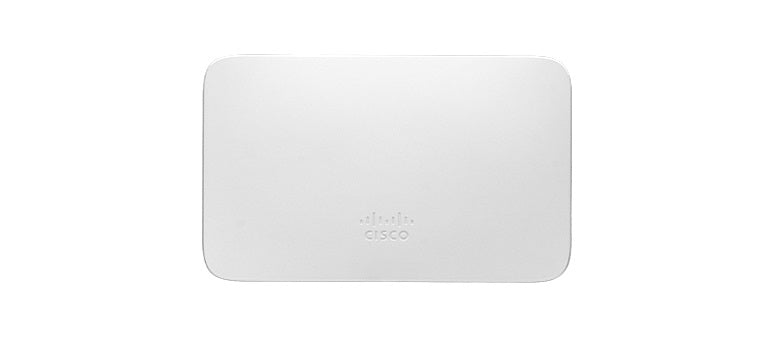
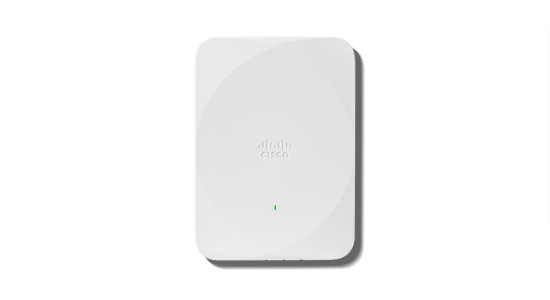
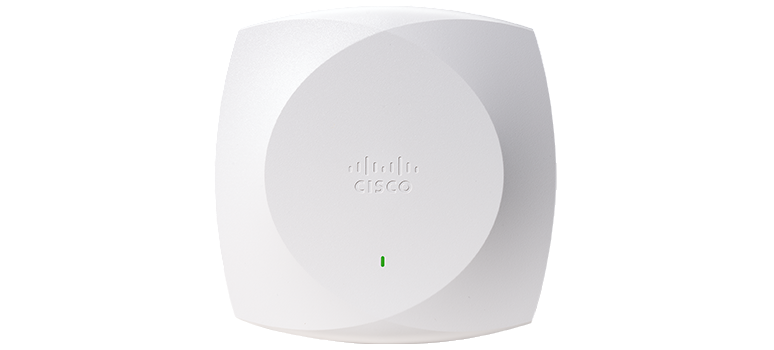
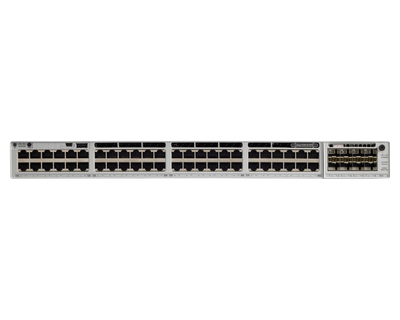
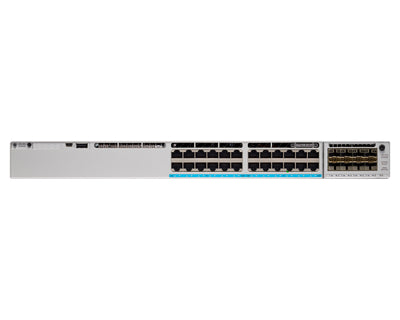
Featured Networking Products
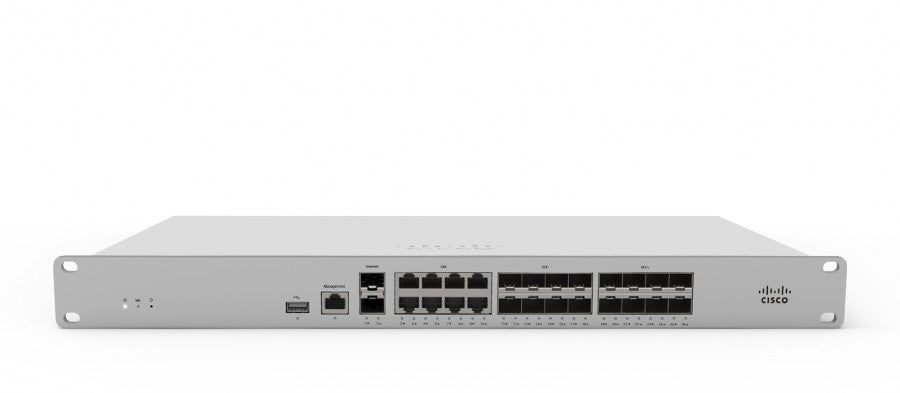
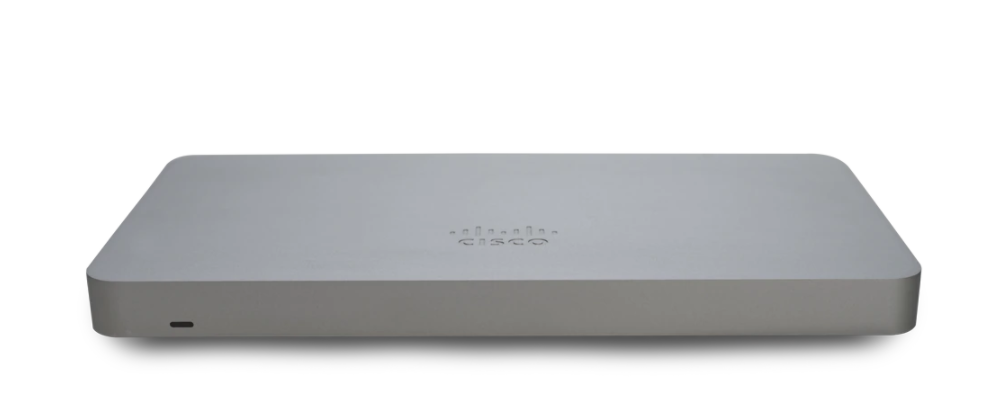
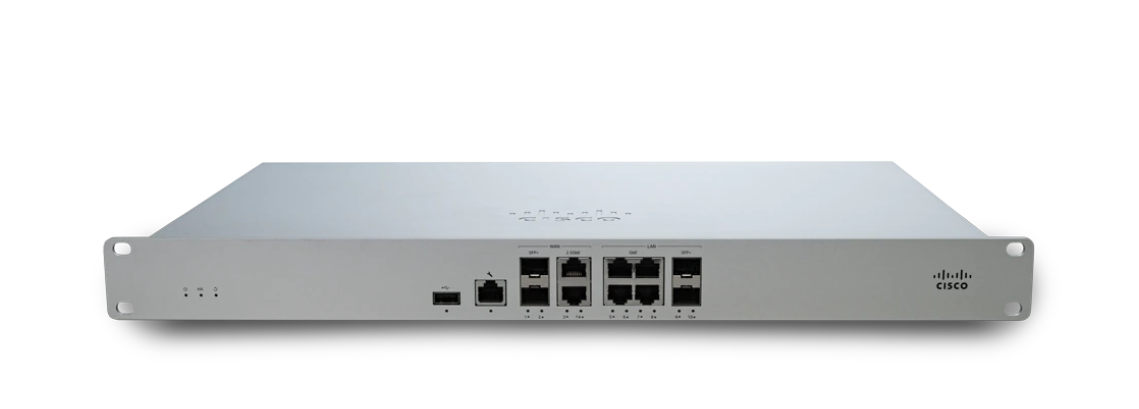
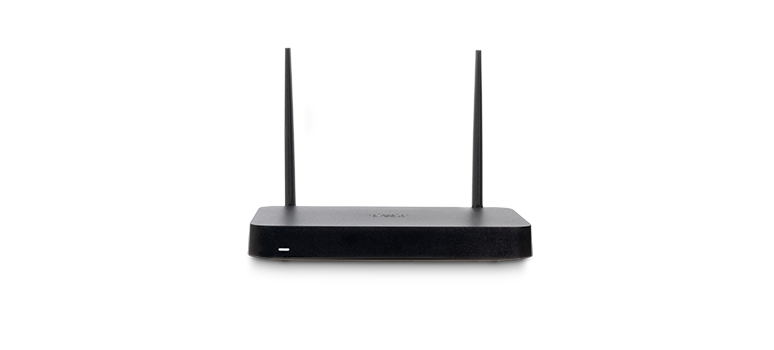
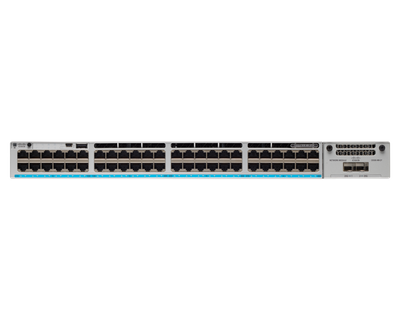
Enterprise-grade Cisco Meraki networking products for your business.
Seamless Integration with Your IT Stack
Meraki works alongside the collaboration, security, and productivity tools your team depends on.
- VPN integration with major identity providers
- SAML and RADIUS authentication support
- MDM and endpoint management compatibility
- Open APIs for custom automation workflows
Ready to simplify your network?
Discover how Cisco Meraki cloud-managed networking can transform your business IT infrastructure.
Contact Us