
Healthcare IT Made Simple: How Cisco Meraki Keeps Medical Practices Connected, Secure, and HIPAA-Compliant
Discover how Cisco Meraki helps healthcare organizations build HIPAA-compliant networks — with intelligent segmentation, automatic site-to-site VPN, and centralized management across every clinic location.

Ready to buy Cisco Meraki?
Get a custom quote from our specialists in under 4 hours.
Healthcare organizations face a unique set of IT challenges that most industries simply don't encounter. Between HIPAA compliance requirements, a growing fleet of connected medical devices, and the need to serve patients, staff, and guests on the same network — all without compromising security or uptime — IT at a clinic or hospital is anything but straightforward. And yet, most small to mid-sized medical practices still rely on outdated, patchwork networks that weren't designed for any of this.
Cisco Meraki was built for exactly this environment. Its cloud-managed architecture simplifies healthcare IT from the ground up — delivering HIPAA-compliant networking, intelligent segmentation, and centralized management that works whether you're running one clinic or thirty.
"A hospital is a 24/7 operation. We had a lot of specific requirements, and Meraki products worked for all of them. The network is 100% reliable."
— IT Director, Regional Healthcare Network
The Hidden IT Risk in Every Medical Practice
Most healthcare breaches don't start with a sophisticated attack — they start with an insecure network. A misconfigured Wi-Fi access point, a guest device on the same network as the EHR system, or firmware that hasn't been updated in three years. These aren't exotic vulnerabilities; they're everyday realities for practices without a proper IT foundation.
HIPAA's Security Rule requires three categories of safeguards for any network that transmits or stores electronic Protected Health Information (ePHI):
- ✓ Technical safeguards — encryption, unique user authentication, audit controls, and secure transmission
- ✓ Administrative safeguards — login monitoring, password management, incident response and reporting
- ✓ Physical safeguards — securing hardware, controlling access to equipment, and ensuring devices don't store patient data
Cisco Meraki addresses all three categories out of the box — not as add-ons or third-party bolt-ons, but as built-in features of the platform. That's what makes it the network of choice for thousands of healthcare organizations worldwide.
HIPAA Compliance Starts at the Network Layer
Building a HIPAA-compliant wireless network isn't just about using strong passwords. It requires the right architecture — one that authenticates users individually, encrypts every transmission, logs all activity, and alerts administrators to suspicious behavior the moment it occurs.
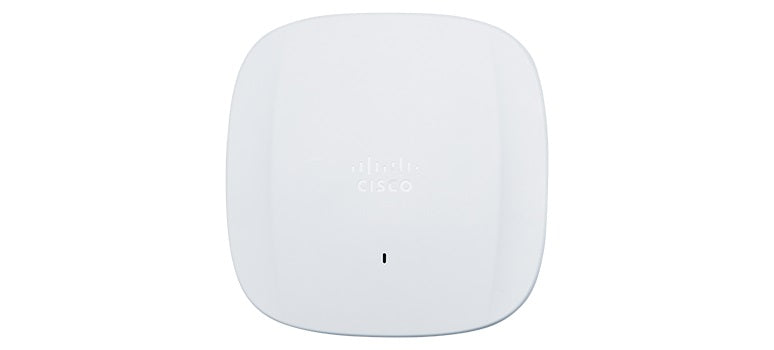
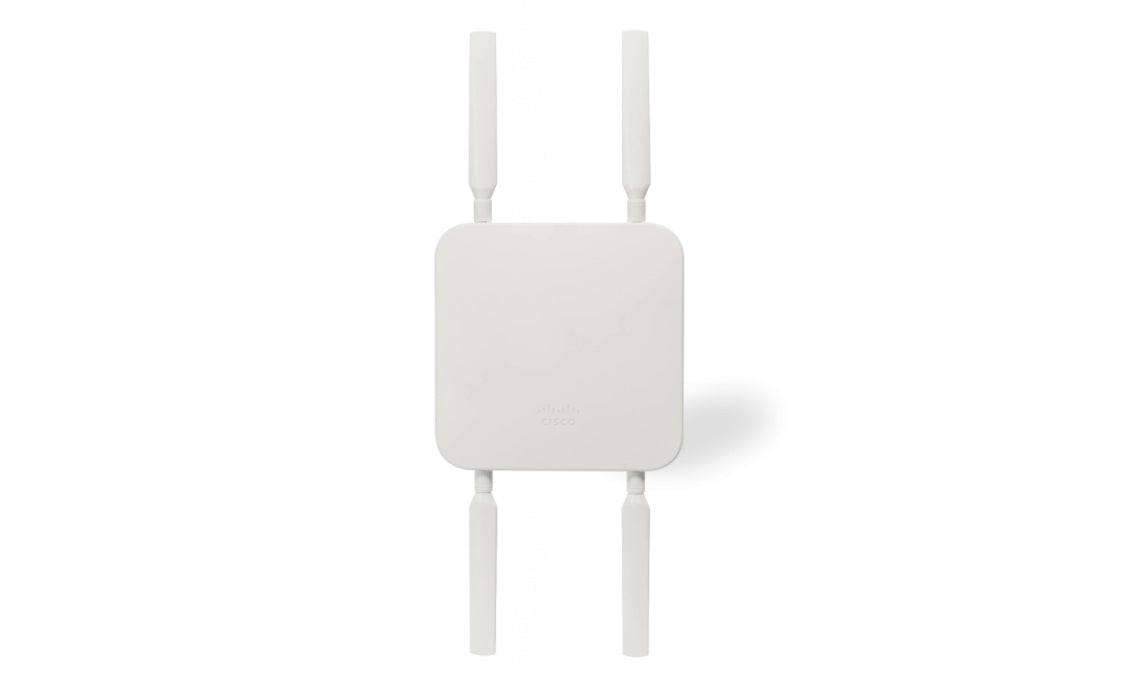
Meraki wireless access points support WPA2-Enterprise (802.1x) with 256-bit AES encryption — the gold standard for HIPAA-compliant wireless authentication. Unlike shared pre-shared keys (which are easily passed around), 802.1x assigns each user unique credentials that can be validated against Active Directory, LDAP, or RADIUS. Every login, authentication attempt, and network event is logged in the cloud dashboard for easy audit review.
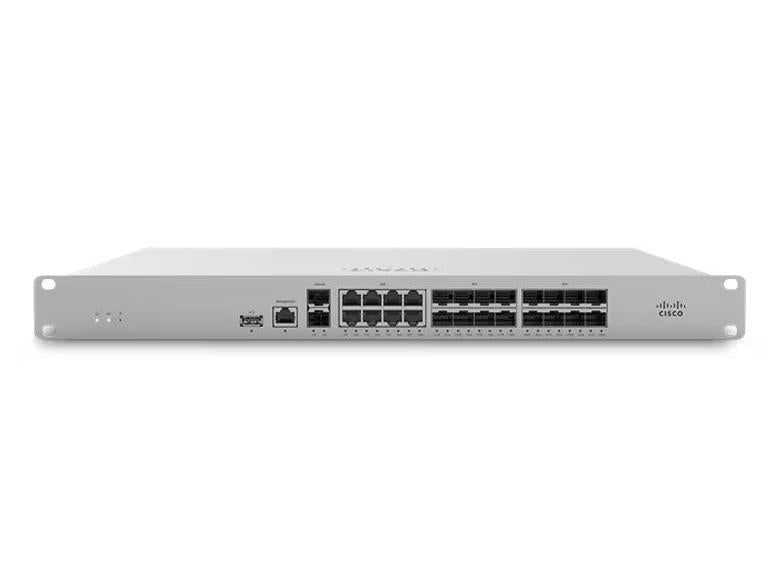
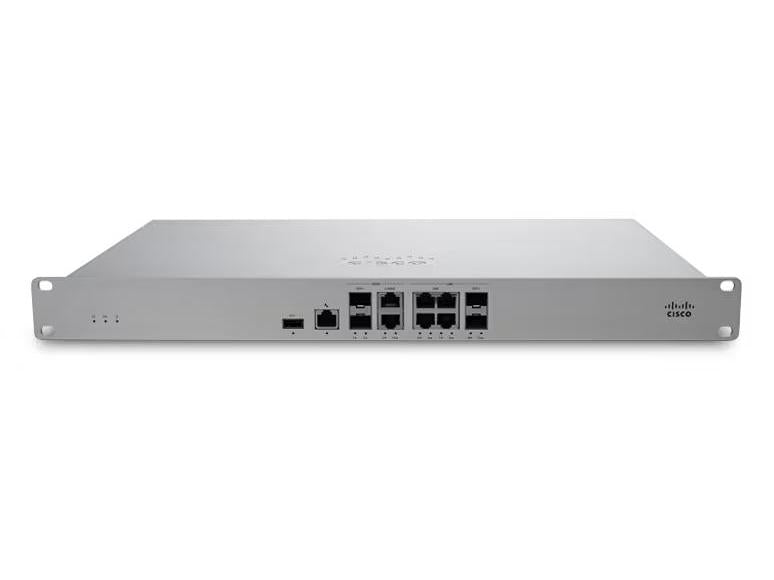
Meraki's MX Security Appliances go further, providing:
- ✓ Automatic site-to-site VPN — Auto VPN connects all your clinic locations with two clicks, creating encrypted tunnels between sites without manual configuration
- ✓ Advanced Malware Protection (AMP) — inspects files in real time and blocks malware before it reaches internal systems
- ✓ Intrusion Detection and Prevention (IDS/IPS) — continuously monitors traffic for known attack patterns and anomalies
- ✓ Content filtering and Layer 7 traffic shaping — restrict inappropriate content and prioritize clinical application traffic like EHR systems over streaming video
- ✓ Air Marshal WIDS/WIPS — automatically detects and contains rogue access points that could compromise your network or masquerade as a legitimate SSID
Because Meraki's architecture is out-of-band, user traffic (including ePHI) never passes through Cisco's cloud — it flows directly between devices on your network. This design is a key reason why Meraki is trusted by HIPAA auditors and compliance teams across the healthcare sector.
Separate Wi-Fi Zones for Patients, Staff, and Medical Devices
One of the most critical — and most often overlooked — aspects of healthcare networking is segmentation. A cardiac monitor, a patient's smartphone, a nurse's tablet, and the hospital's billing server should never share the same network segment. If they do, a compromised patient device could potentially reach clinical systems.
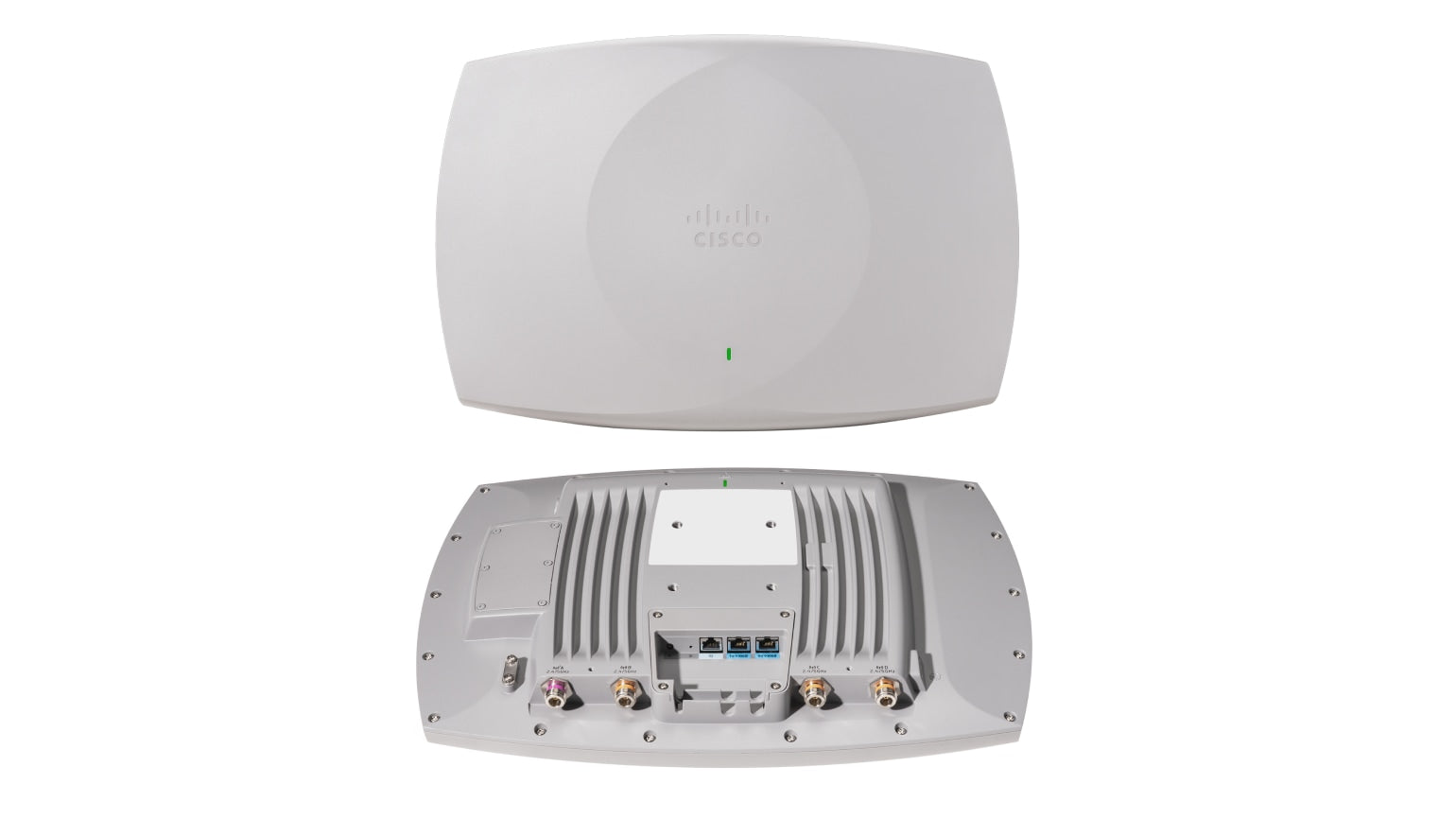
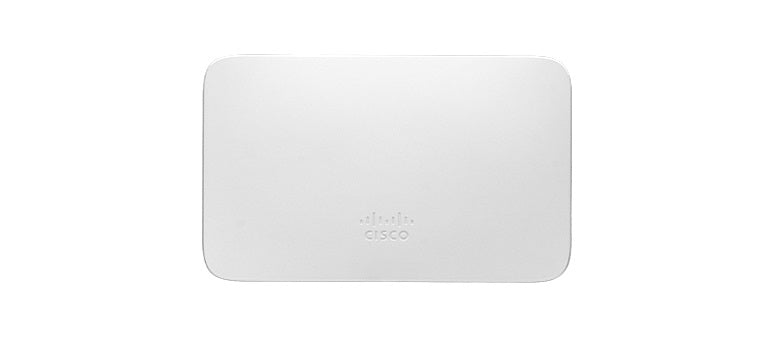
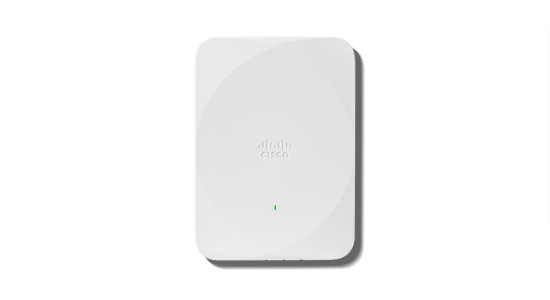
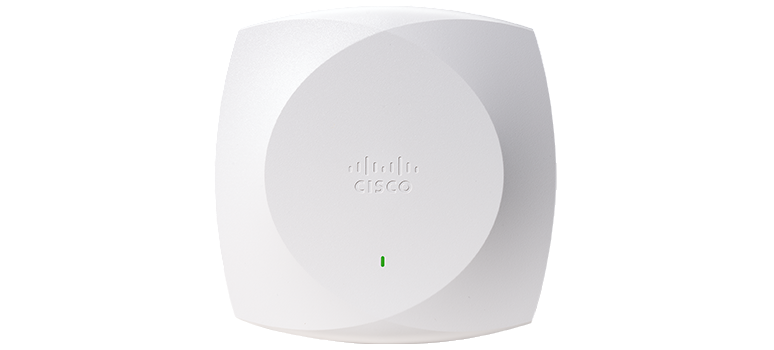
Meraki access points support up to 15 SSIDs simultaneously, each with its own security, VLAN assignment, and firewall policy. A typical healthcare deployment might look like this:
- ✓ Staff SSID — WPA2-Enterprise with Active Directory authentication, full access to EHR and clinical systems
- ✓ Patient/Guest SSID — internet-only access, fully isolated from the clinical network with LAN isolation enabled
- ✓ Medical Device SSID — isolated VLAN for imaging equipment, monitors, and IoT health devices via connected sensors
- ✓ Administrative SSID — separate access tier for billing, scheduling, and administrative staff
This segmentation is enforced at the infrastructure level — not by policy documents. Even if a guest device on the patient Wi-Fi were compromised, it simply cannot reach the clinical network. That's HIPAA compliance baked into the architecture itself.
Manage Every Clinic Location from One Dashboard
For healthcare groups with multiple locations — satellite clinics, urgent care centers, assisted living facilities — managing separate networks at each site has traditionally meant separate on-site hardware, separate IT vendors, and separate support contracts. Meraki eliminates all of that.
The Meraki Dashboard gives your IT team a single pane of glass across every location. From one browser tab, you can:
- ✓ Deploy security policies across all sites simultaneously — no site-by-site configuration needed
- ✓ Push firmware updates to all devices on a scheduled basis, keeping every location current without manual intervention
- ✓ Monitor network health and bandwidth consumption in real time, including which applications are using the most bandwidth
- ✓ Set alerts for suspicious activity — excessive login attempts, rogue AP detection, device outages — so your team can respond before issues escalate
- ✓ Troubleshoot remotely without sending a technician to a branch office
Community HealthCare System deployed 70 Meraki APs across two hospitals, five rural health clinics, and two long-term care facilities — all managed centrally from their headquarters. When non-profit Mosaic needed to connect 37 locations with a small IT team, they deployed over 300 Meraki APs and 40 MX security appliances, all automatically connected via Auto VPN. No specialized networking knowledge required.
Always-On Connectivity When It Matters Most
In a clinical environment, network downtime isn't just inconvenient — it can disrupt patient care. Meraki's out-of-band cloud architecture means your network keeps running even if the internet connection to the Meraki cloud is temporarily interrupted. Access points continue serving wireless clients, VPN tunnels stay active, firewall rules keep enforcing, and staff can still reach EHR systems on the local network.
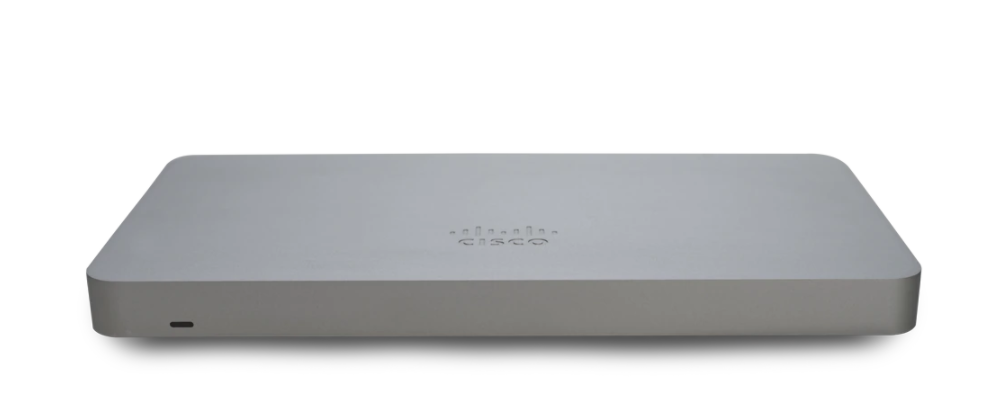
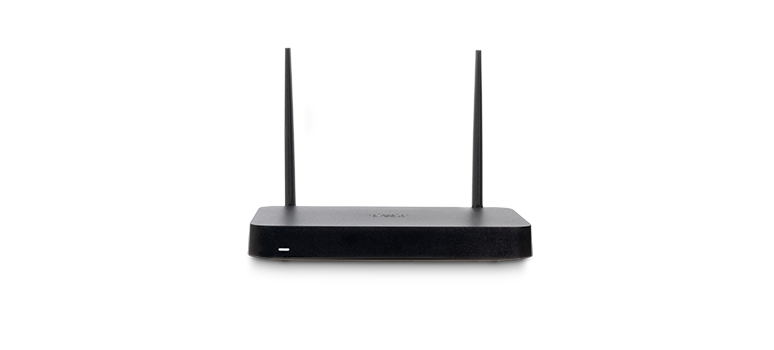
For locations that need an extra layer of connectivity resilience, Meraki Cellular Gateways provide automatic 4G/5G failover — keeping your clinic online even during ISP outages. And for remote employees or telehealth staff, the Meraki Z4C Teleworker Gateway extends enterprise-grade security to home offices with zero-touch deployment.
The result is a healthcare network that's built for the real world: secure, compliant, resilient, and manageable without a full-time network engineer at every location.
Cloud networking has completely transformed how we manage IT across our 15 locations. What used to take weeks now happens in minutes.
Why Businesses Choose Cloud Networking
The Meraki platform delivers enterprise-grade networking with consumer-grade simplicity.
Single Dashboard
Monitor and manage your entire network — switches, access points, firewalls, cameras — from one intuitive cloud interface.
Learn More ›Built-In Security
Every device includes next-gen firewall, intrusion detection, and automatic firmware updates. Zero-trust security by default.
Learn More ›Scale Without Limits
Add new locations, floors, or remote workers instantly. Zero-touch provisioning means hardware self-configures from the cloud.
Learn More ›The Power of the Meraki Dashboard
At the heart of Cisco Meraki is an intuitive cloud dashboard that unifies wireless, switching, security, and IoT management into a single view. IT teams can manage their entire distributed infrastructure from anywhere.
- Real-time visibility into network health and client connectivity
- AI-powered analytics that predict issues before they impact users
- Automated firmware updates and security patching
- Role-based access control and audit logging

Deploying secure remote access for 500 employees took hours, not weeks. The cloud dashboard makes ongoing management effortless.
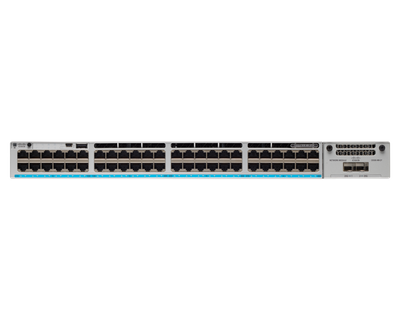
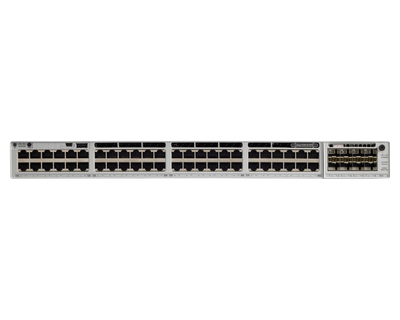
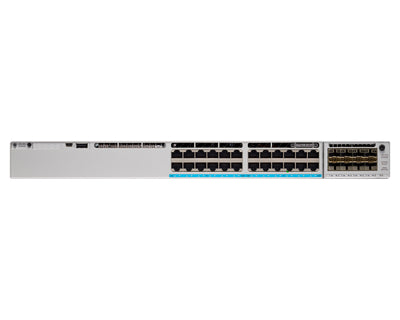
Featured Networking Products
Enterprise-grade Cisco Meraki networking products for your business.

Seamless Integration with Your IT Stack
Meraki works alongside the collaboration, security, and productivity tools your team depends on.
- VPN integration with major identity providers
- SAML and RADIUS authentication support
- MDM and endpoint management compatibility
- Open APIs for custom automation workflows
Ready to simplify your network?
Discover how Cisco Meraki cloud-managed networking can transform your business IT infrastructure.
Contact Us