


Cloud vs. On-Premise Networking: The Real Cost Comparison for Growing Businesses
Discover the real 5-year cost difference between traditional on-premise networking and Cisco Meraki cloud-managed solutions — and why growing businesses are saving up to 40% by making the switch.
Ready to buy Cisco Meraki?
Get a custom quote from our specialists in under 4 hours.
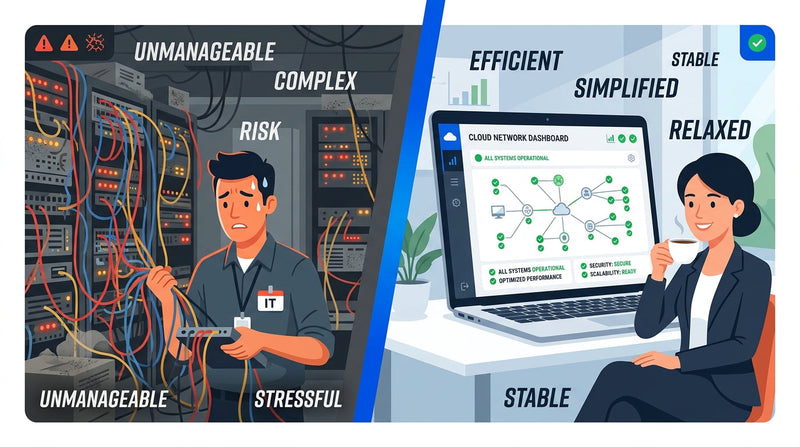
Every growing business reaches the same crossroads: keep managing network hardware in-house, or move to a cloud-managed platform that scales with you. It’s a decision that affects not just your IT budget, but your team’s productivity, your security posture, and your ability to grow without hitting infrastructure walls. The answer isn’t always obvious — until you look at the real numbers.
"Organizations that migrate to cloud-managed networking report up to 40% lower total cost of ownership over five years, while gaining visibility and control that on-premise solutions simply can’t match."
The Hidden Costs of On-Premise Networking
Traditional on-premise networking looks straightforward on paper: buy switches, firewalls, and access points, then manage them with your IT team. But the sticker price is just the beginning. The real cost hides in layers that most businesses don’t account for until they’re already committed.
Consider what on-premise actually demands:
- ✓ Upfront capital expenditure — Servers, switches, firewalls, and licensing fees that hit your budget all at once, often requiring $50,000–$150,000+ for a single site
- ✓ Dedicated IT staff — On-site engineers to configure, patch, troubleshoot, and maintain every device individually, averaging $75,000–$120,000 per year in salary alone
- ✓ Firmware and security updates — Manual patching across every device, often delayed due to change management complexity, leaving networks vulnerable
- ✓ Hardware refresh cycles — Every 3–5 years, the entire stack needs replacement as devices reach end-of-life, restarting the capital expenditure cycle
- ✓ Downtime during maintenance — Scheduled maintenance windows that disrupt operations, plus unplanned outages when aging hardware fails
For multi-site businesses, multiply every one of those costs by the number of locations. A company with five offices isn’t just managing one network — they’re managing five separate environments, each with its own quirks, configurations, and failure points.
The Cloud-Managed Advantage: Predictable, Scalable, Smarter
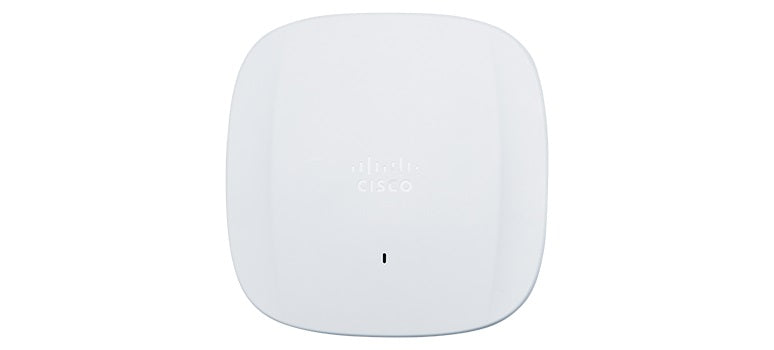
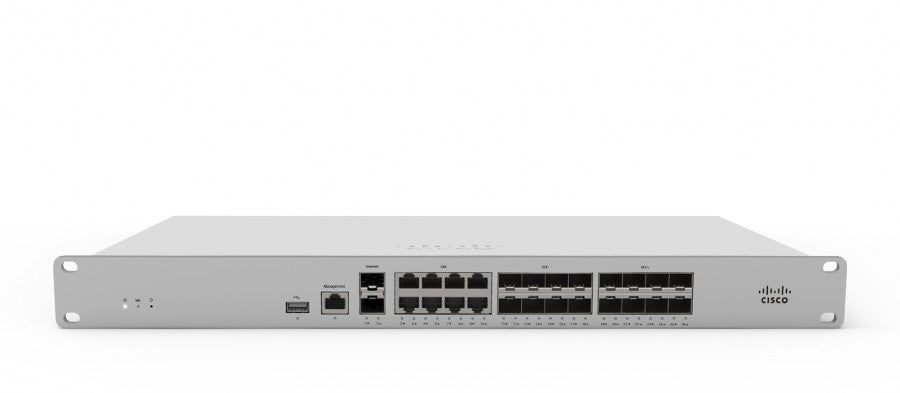
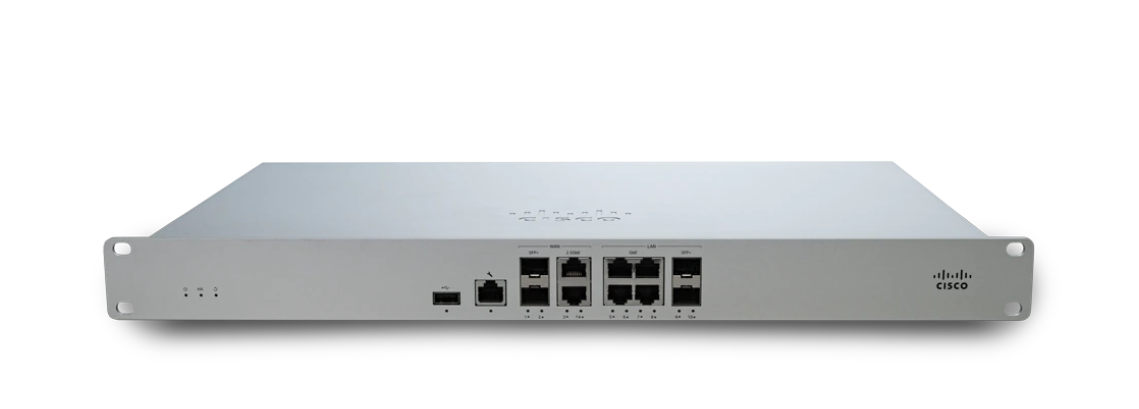
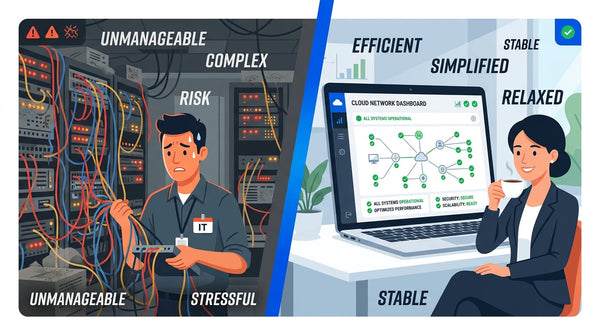
Cloud-managed networking flips the traditional model. Instead of buying hardware and hoping your team can keep it running, you get an integrated platform where every device — from wireless access points to security appliances to switches — is managed from a single cloud dashboard.
With Cisco Meraki’s cloud-first approach, the economics shift dramatically:
- ✓ OpEx instead of CapEx — Predictable monthly costs replace massive upfront investments, improving cash flow and financial planning
- ✓ Zero-touch deployment — New sites come online in minutes, not weeks. Ship a device, plug it in, and it auto-configures from the cloud
- ✓ Automatic updates — Firmware, security patches, and feature upgrades deploy across your entire network simultaneously, with no truck rolls required
- ✓ Single-pane-of-glass management — One dashboard for every device, every site, every policy. An IT team of two can manage what used to require ten
- ✓ Built-in redundancy — Cloud architecture means no single point of failure. If a device goes down, the network adapts automatically
Real Numbers: A 5-Year Cost Comparison
Let’s break down what a typical 50-employee, three-location business actually spends over five years under each model.
On-Premise (Traditional):
- ✓ Hardware (switches, firewalls, APs): ~$120,000 upfront + $80,000 refresh at year 4
- ✓ Licensing and support contracts: ~$15,000/year
- ✓ IT staff (1.5 FTEs for network management): ~$150,000/year
- ✓ Unplanned downtime (avg 3.6 hours/year at $5,600/hour for SMBs): ~$20,000/year
- ✓ 5-year total: ~$1,125,000
Cloud-Managed (Meraki):
- ✓ Hardware + licensing (bundled): ~$60,000 upfront
- ✓ Annual licensing renewal: ~$18,000/year
- ✓ IT staff (0.5 FTE — cloud dashboard handles the rest): ~$50,000/year
- ✓ Reduced downtime (proactive alerts, auto-failover): ~$5,000/year
- ✓ 5-year total: ~$685,000
That’s a $440,000 difference — nearly 40% savings — and it doesn’t even account for the productivity gains from faster deployments, better visibility, and the ability to troubleshoot remotely instead of dispatching technicians.
Beyond Cost: Why Visibility Changes Everything
The financial case for cloud-managed networking is compelling on its own. But the real transformation happens when your IT team goes from reactive firefighting to proactive optimization.
With the Meraki dashboard, you gain instant visibility into:
- ✓ Application-level traffic patterns — See exactly which apps consume bandwidth and set intelligent policies
- ✓ Client health scores — Identify struggling devices before users file tickets
- ✓ Security threats in real time — Integrated threat intelligence flags suspicious activity across all sites simultaneously
- ✓ Environmental conditions — With Meraki MT sensors, monitor temperature, humidity, and air quality alongside your network
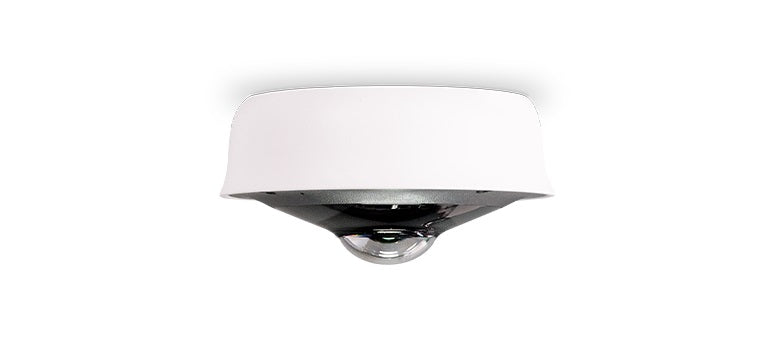
- ✓ Physical security — Smart cameras with on-device analytics integrate directly into the same dashboard
This kind of unified visibility was previously reserved for enterprises with massive IT budgets. Cloud-managed networking makes it accessible to businesses of every size.
Making the Switch: Easier Than You Think
One of the biggest misconceptions about migrating to cloud-managed networking is that it requires a disruptive "rip and replace" of your entire infrastructure. In reality, Meraki is designed for phased deployments. You can start with a single access point or switch, see the difference immediately, and expand at your own pace.
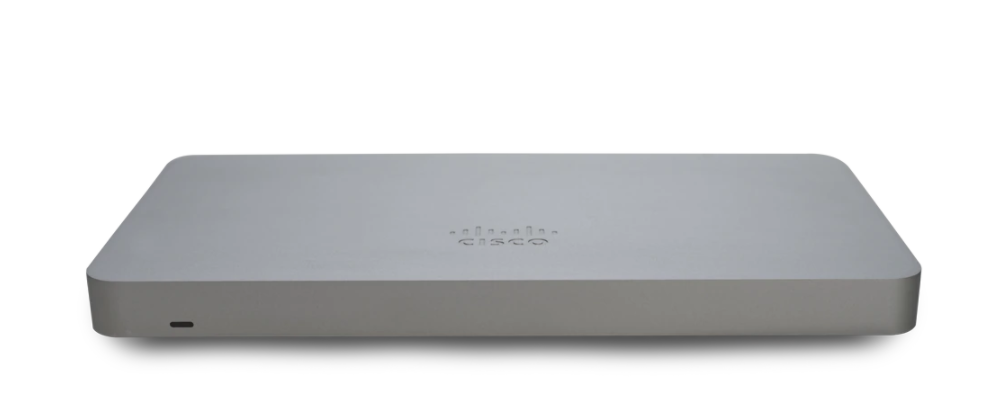
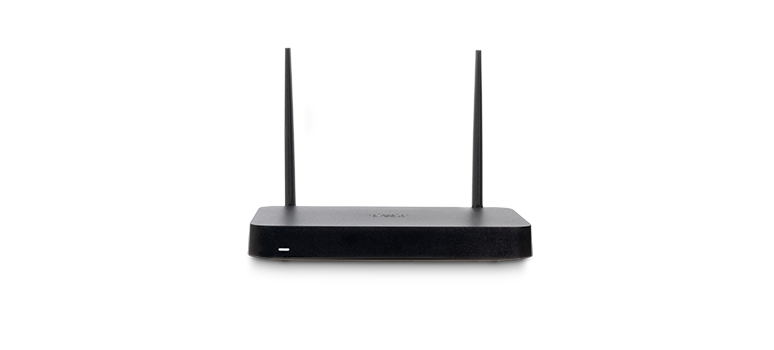
For businesses with remote workers, Meraki’s teleworker solutions — including the Z4C Teleworker Gateway — extend the same cloud-managed security and performance to home offices without any additional IT overhead.
And with cellular gateways providing automatic 5G/LTE failover, your network stays online even when your primary ISP doesn’t.
The question isn’t whether cloud-managed networking saves money — the data makes that clear. The real question is how much longer your business can afford not to make the switch.
Cloud networking has completely transformed how we manage IT across our 15 locations. What used to take weeks now happens in minutes.
Why Businesses Choose Cloud Networking
The Meraki platform delivers enterprise-grade networking with consumer-grade simplicity.
Single Dashboard
Monitor and manage your entire network — switches, access points, firewalls, cameras — from one intuitive cloud interface.
Learn More ›Built-In Security
Every device includes next-gen firewall, intrusion detection, and automatic firmware updates. Zero-trust security by default.
Learn More ›Scale Without Limits
Add new locations, floors, or remote workers instantly. Zero-touch provisioning means hardware self-configures from the cloud.
Learn More ›The Power of the Meraki Dashboard
At the heart of Cisco Meraki is an intuitive cloud dashboard that unifies wireless, switching, security, and IoT management into a single view. IT teams can manage their entire distributed infrastructure from anywhere.
- Real-time visibility into network health and client connectivity
- AI-powered analytics that predict issues before they impact users
- Automated firmware updates and security patching
- Role-based access control and audit logging

Deploying secure remote access for 500 employees took hours, not weeks. The cloud dashboard makes ongoing management effortless.
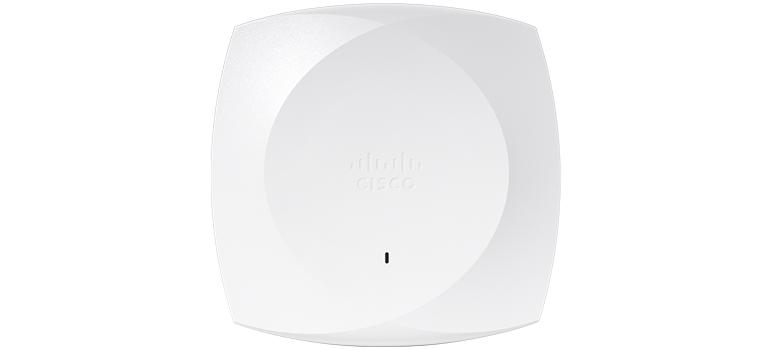
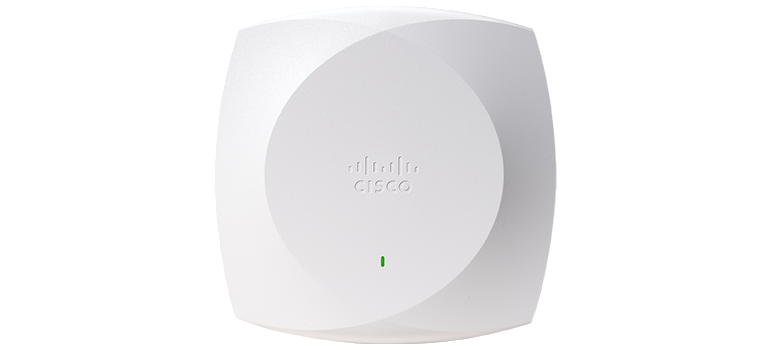
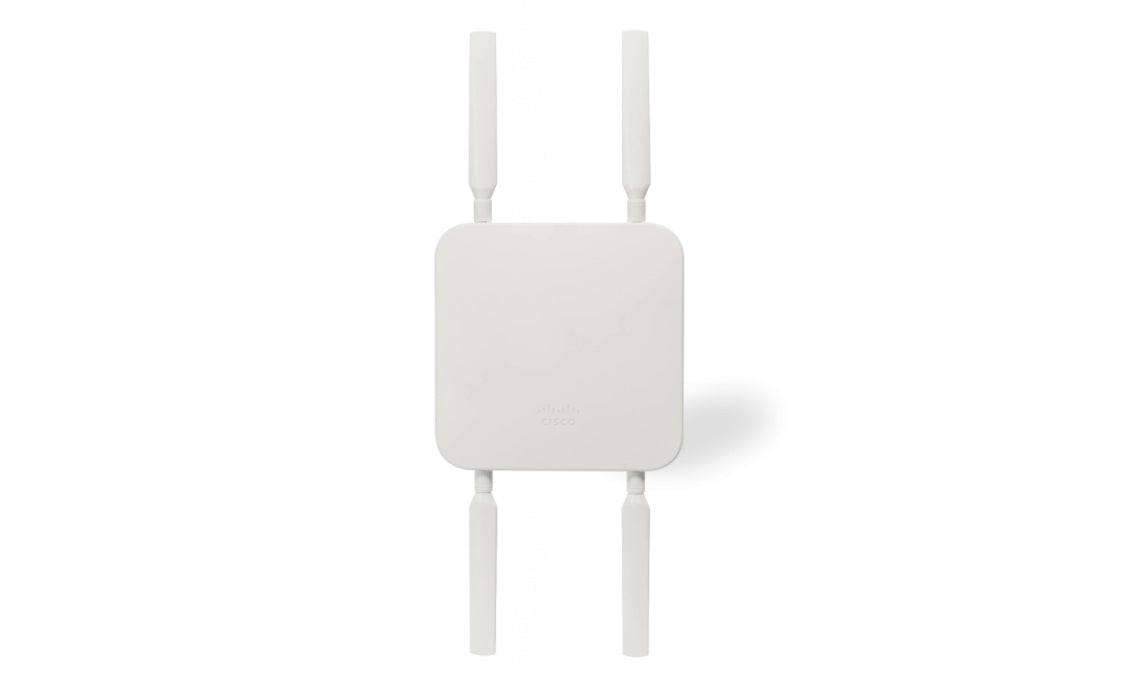
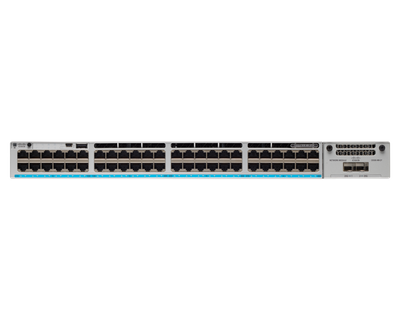
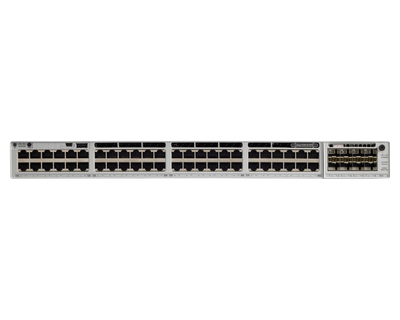
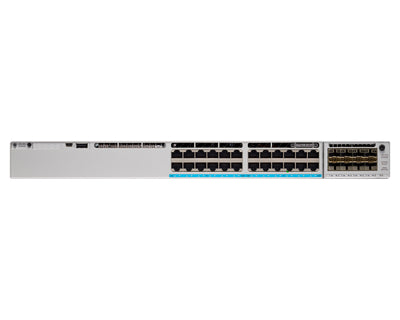
Featured Networking Products
Enterprise-grade Cisco Meraki networking products for your business.
Seamless Integration with Your IT Stack
Meraki works alongside the collaboration, security, and productivity tools your team depends on.
- VPN integration with major identity providers
- SAML and RADIUS authentication support
- MDM and endpoint management compatibility
- Open APIs for custom automation workflows
Ready to simplify your network?
Discover how Cisco Meraki cloud-managed networking can transform your business IT infrastructure.
Contact Us